Biography
From inside the hotel to the question of what it leaves behind.
In brief
Héctor De Castro is Founder & President of Regenera Luxury and a professor at Universidad Anáhuac Cancún. With more than twenty-five years in luxury hospitality across Europe, the Middle East, South-East Asia and the Caribbean, he works on how luxury hotels can define, measure and independently verify their regenerative contribution to the places they inhabit.
The longer story
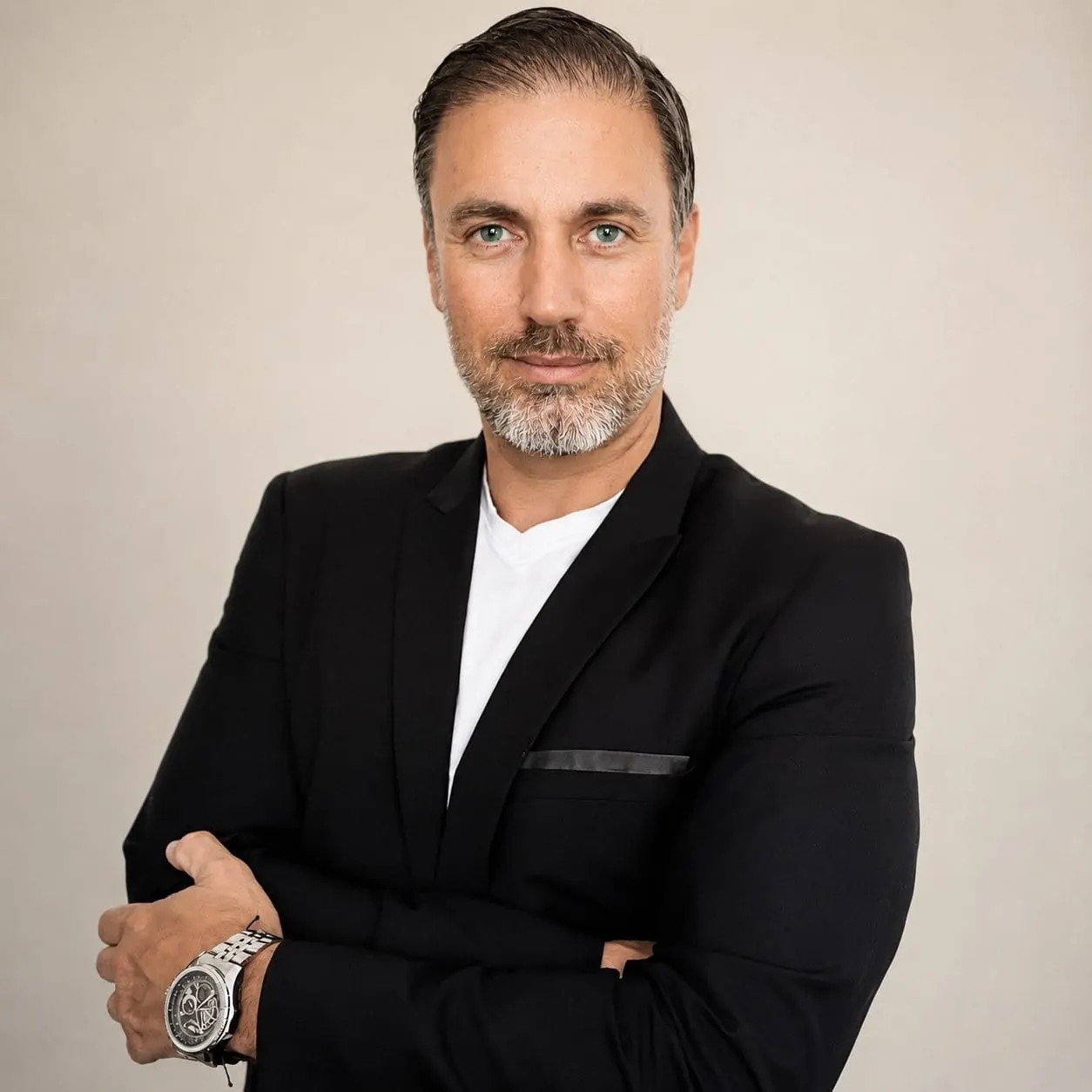
Héctor De Castro is an executive, entrepreneur and researcher whose work turns on a single question: how the world’s finest hotels and destinations can leave their landscapes, cultures and communities measurably better than they found them.
He spent his childhood across five countries, and his career of more than twenty-five years has run through Europe, the Middle East, South-East Asia and the Caribbean. In the late 1990s, early years in South-East Asia shaped what followed. Groups such as Six Senses and Banyan Tree were treating forest, reef and village as part of what the guest came for — an idea of luxury bound to nature, culture and human wellbeing, and a sharp contrast with the high-volume models he had known in parts of Spain and the Caribbean.
His operational grounding is unusually broad: leading technical-services companies in hotel pre-openings between 2004 and 2017 for Meliá, Barceló, Royalton, Princess, Lopesan and Hilton, among others — including Meliá Danang in Vietnam; quality audits of luxury properties in South-East Asia; the food & beverage and pre-opening practice of Horwath HTL in Spain; and general management of European technical-services companies serving the hotel industry, with more than 300 employees and over €100 million in annual revenue — including as Interim Managing Director of Humiclima–Friusa within Grupo ACS. Plant rooms, payrolls and openings that run late are why he insists that any idea about the future of luxury must survive contact with an operating hotel, and its balance sheet.
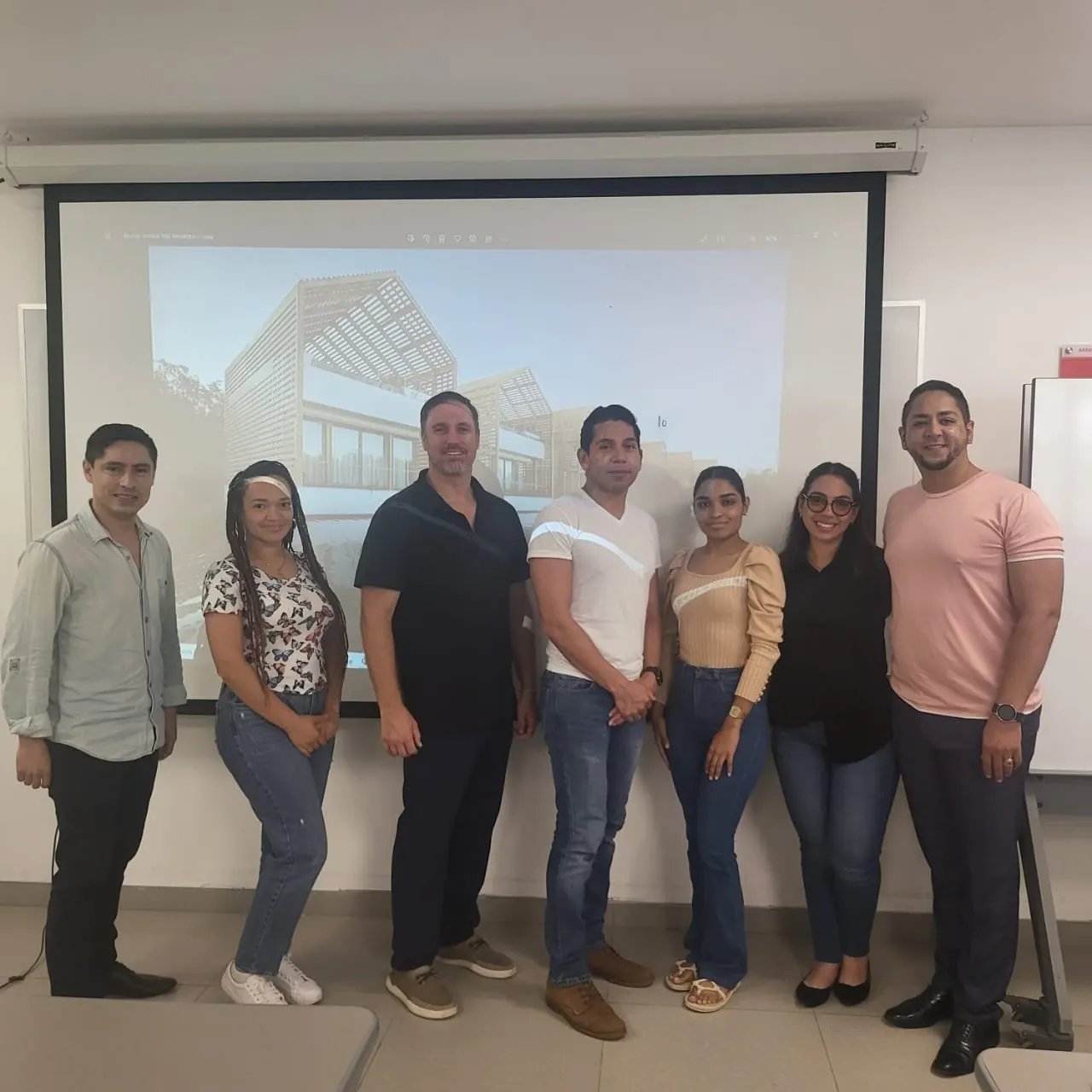
In 2021 he joined Universidad Anáhuac Cancún as a professor in the Faculty of Hotel and Tourism and began two doctoral programmes: one on regenerative luxury hotels, the other on neuromarketing applied to hospitality. In 2022 he founded a non-profit civil association in Playa del Carmen, Mexico, to work alongside local communities and destinations — particularly places whose cultural heritage is as singular as their landscape. Through educational resources, courses, training and mentoring, it has since helped more than 100 young people advance their education — with certain courses recognised by Universidad Anáhuac Cancún — and contributed more than US$100,000 in resources for professional training in Nepal, Bangladesh, Bacalar and the state of Veracruz. From it grew Regenera Luxury, later incorporated as a company in the United States, to lead the regenerative transformation of hotels and destinations — from strengthening the financial performance of the hotels themselves to restoring ecosystems, supporting local communities and giving cultural heritage its value. Built to be usable by the small, independent and remote properties that larger frameworks often overlook, Regenera Luxury now works in more than thirty countries.
Its work includes a certification standard, an institute, The Regenera Luxury Journal and Magazine, which he directs editorially, and the Regenera Luxury Hospitality Awards. In 2026 he published a working paper proposing a formal operational definition of regenerative luxury and founded World Regenerative Tourism Day, observed every 23 May, whose foundational documents are openly deposited and citable.
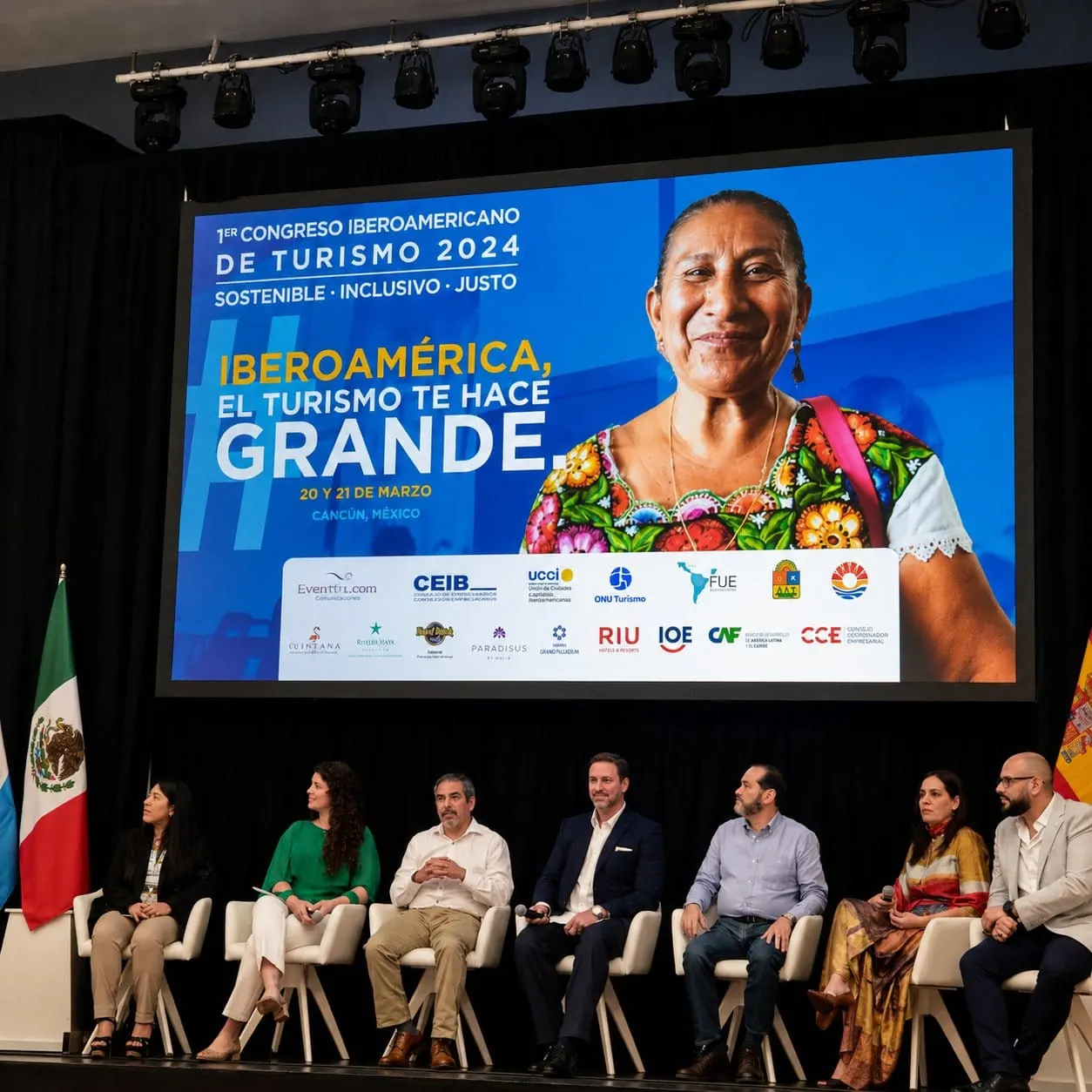
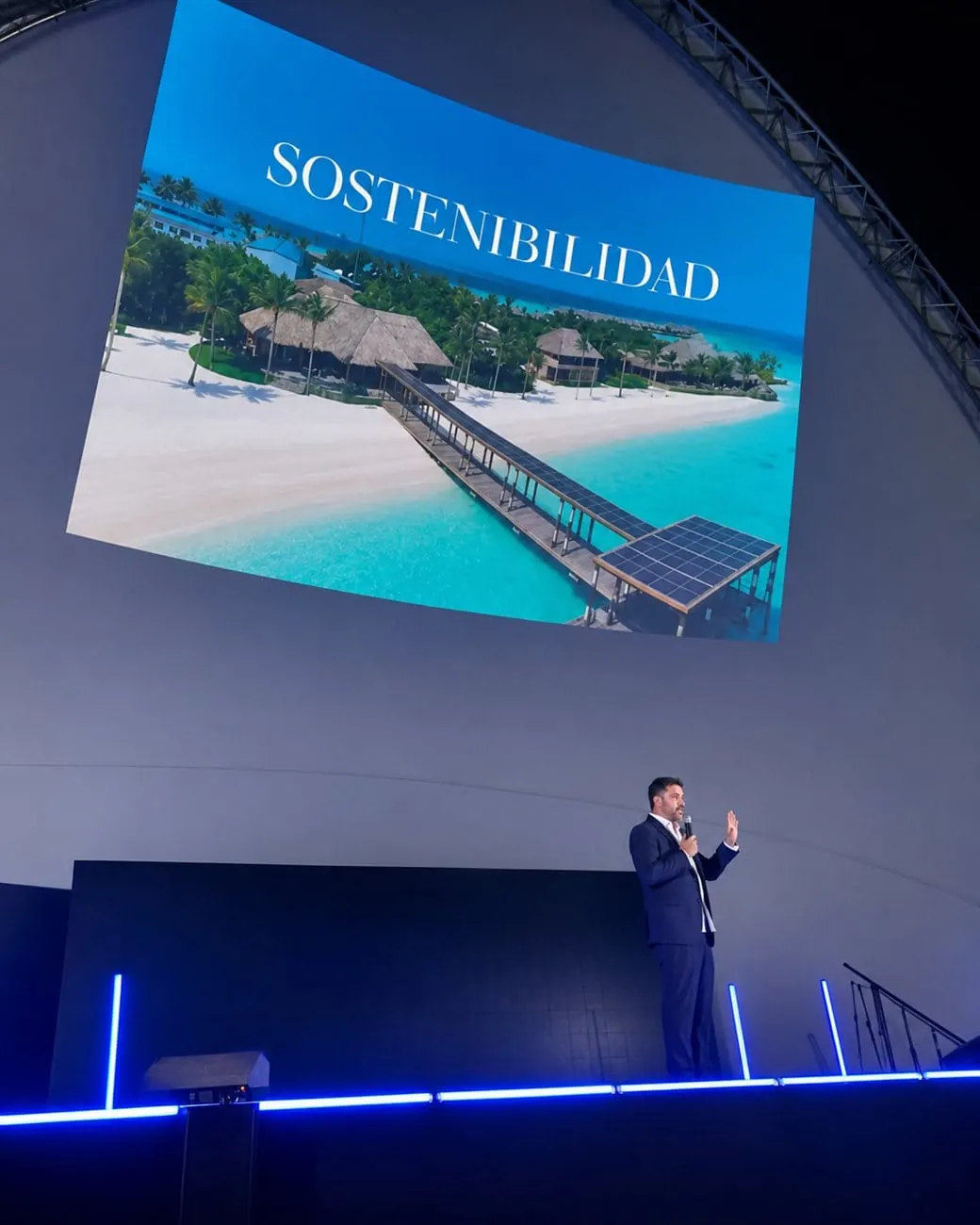
He holds a Global Executive MBA from IE Business School and a degree in Economic and Legal Translation awarded by the University of West London and the University of Granada, and is a GSTC-certified sustainable tourism professional. He has spoken at ITB Berlin and at UN Tourism forums, his work has appeared in Forbes and HOTELS Magazine, and he contributes pro bono to educational and community projects.
What drives the work is less a programme than a conviction: that what we inherit deserves protection, and what we build should outlast us.
In the field and on stage
Journalists and conference organisers: approved biographies and portraits are in the press kit.